
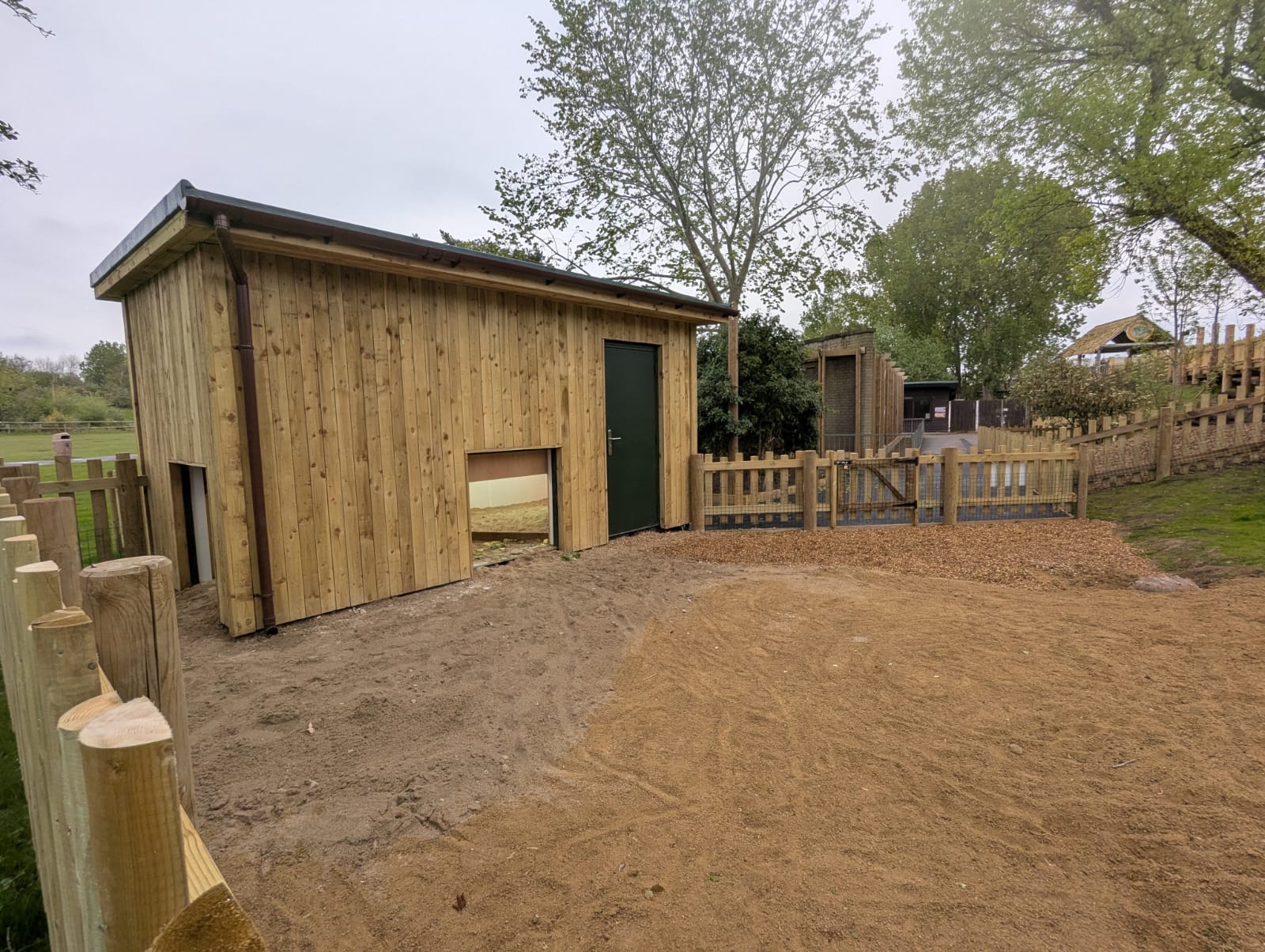
A group of tortoises now living at Blackpool Zoo were once treated as nothing more than cargo. Wild-caught in Africa and smuggled into the UK without paperwork, they were seized by customs and handed to the zoo, which has cared for them for more than 20 years.
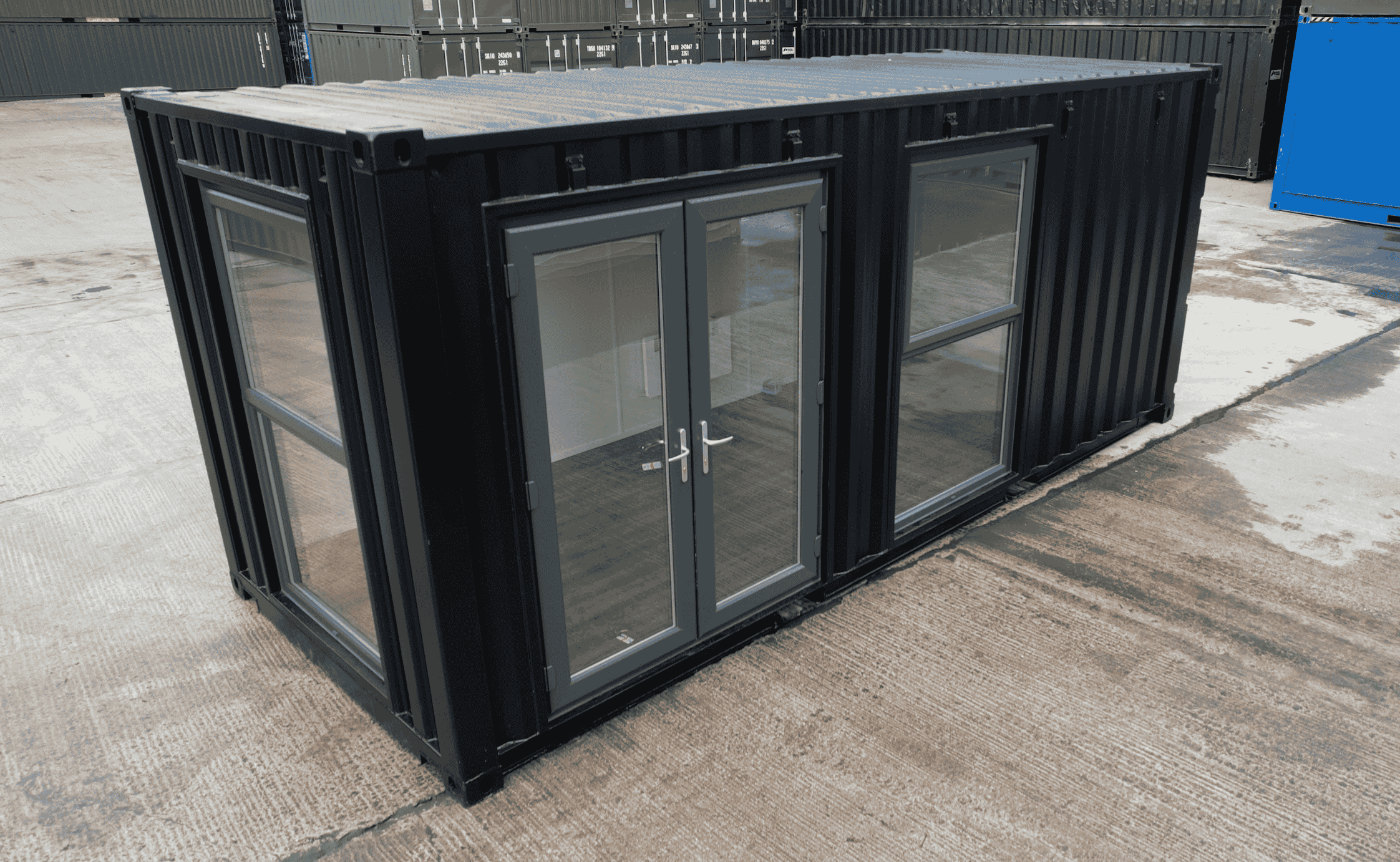
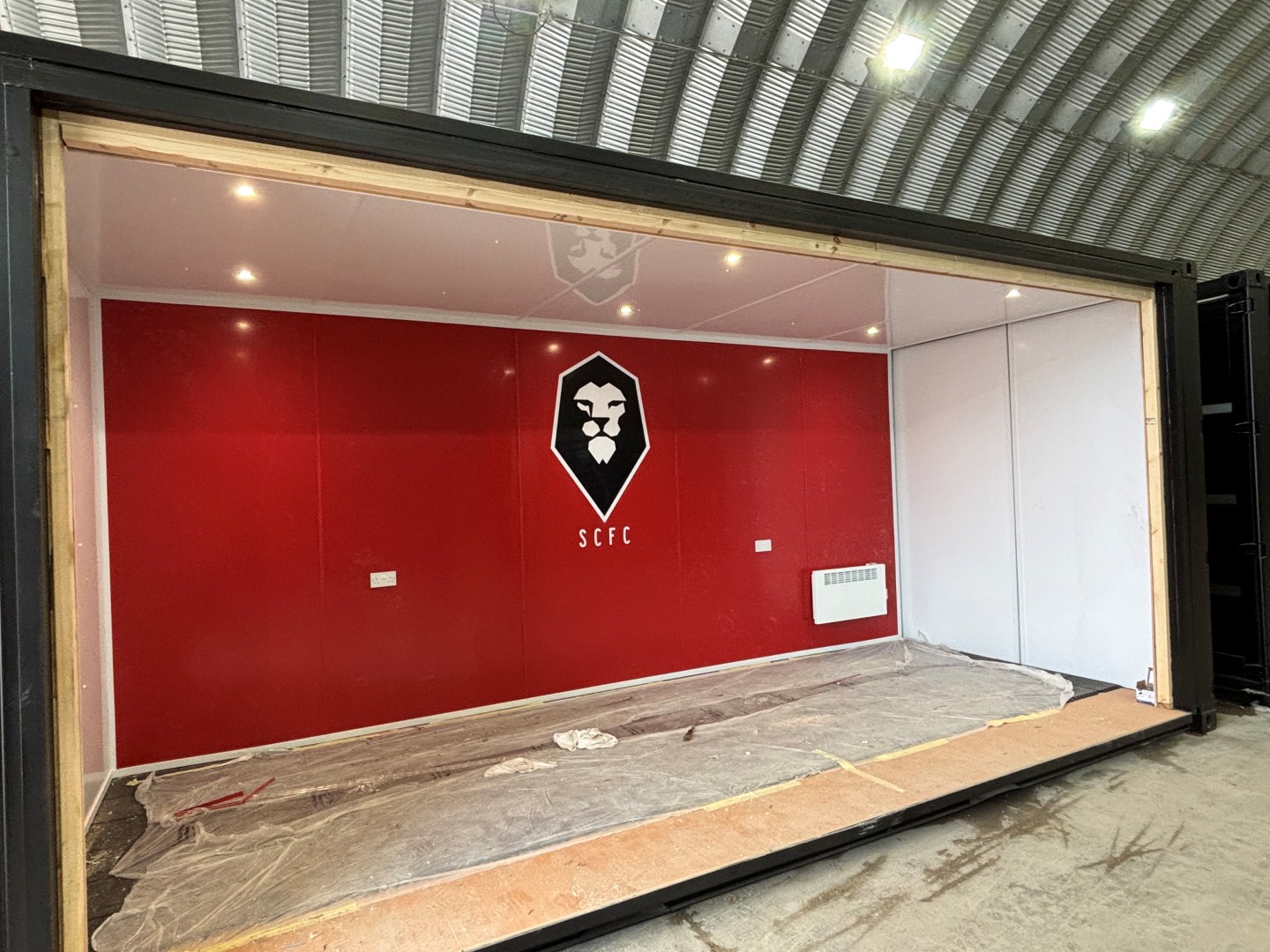
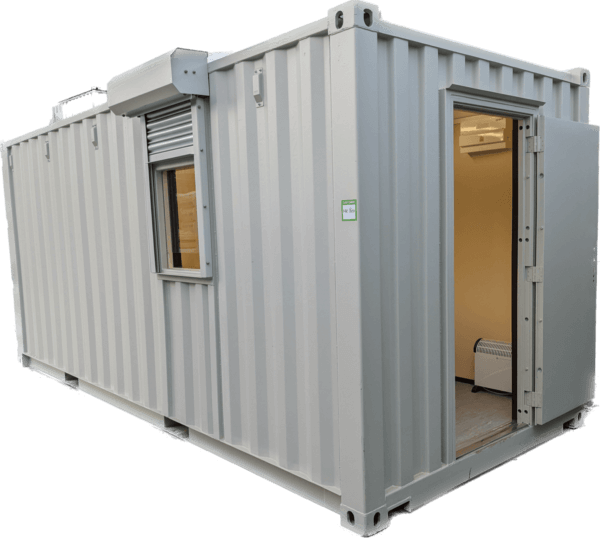
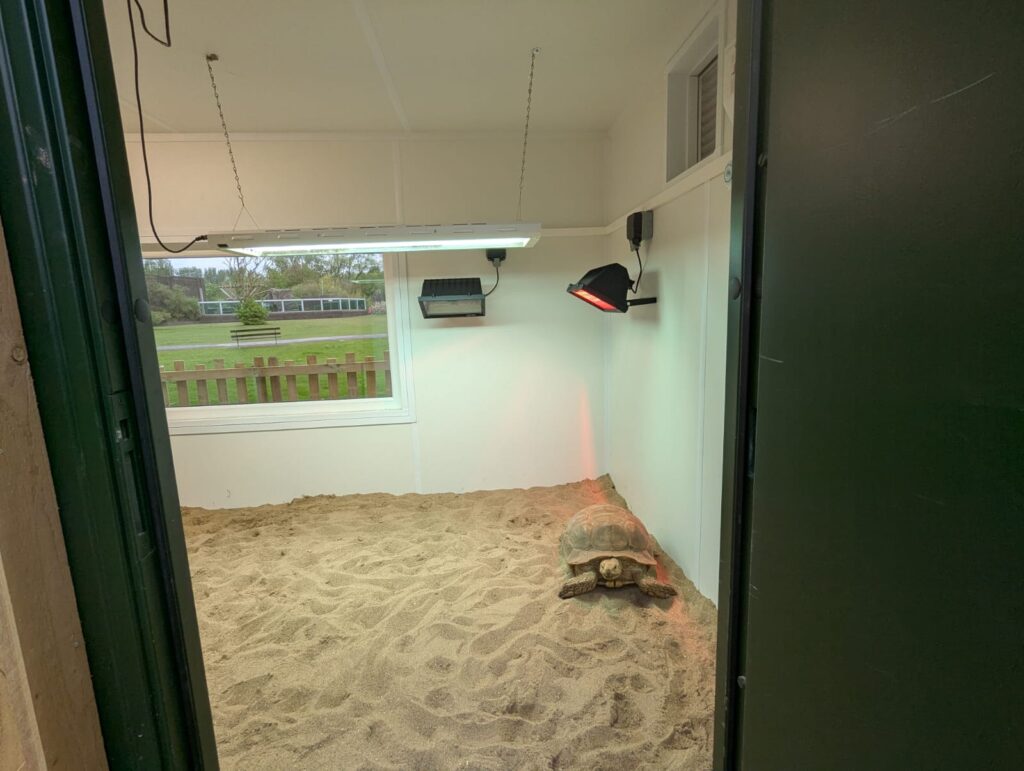
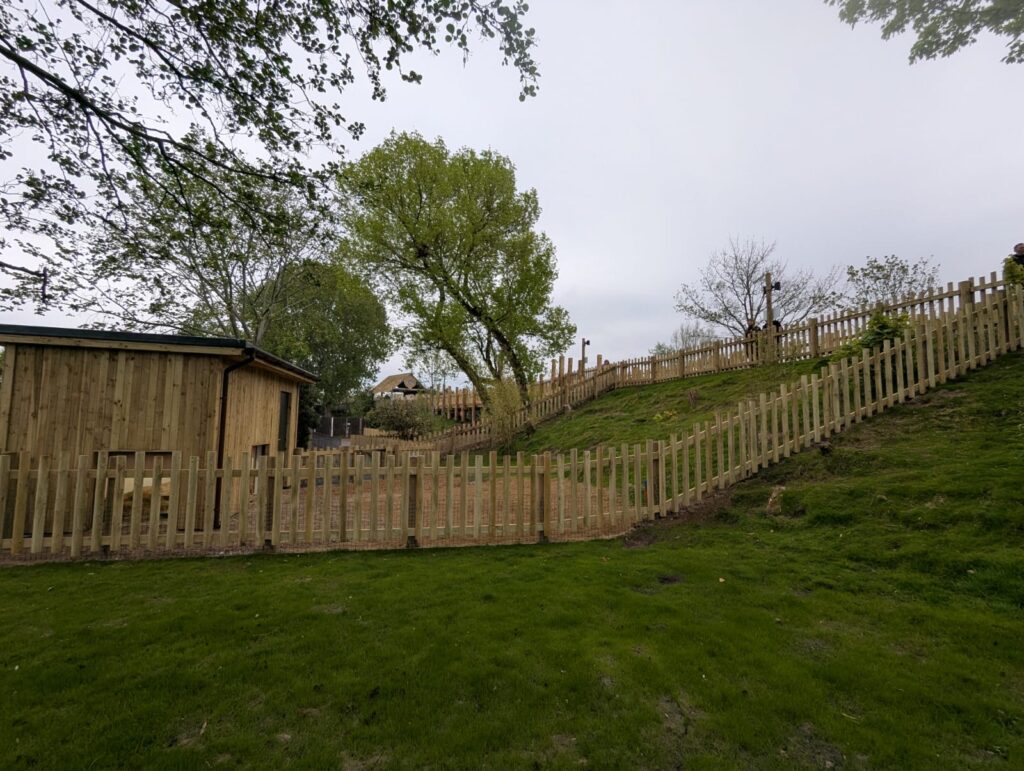
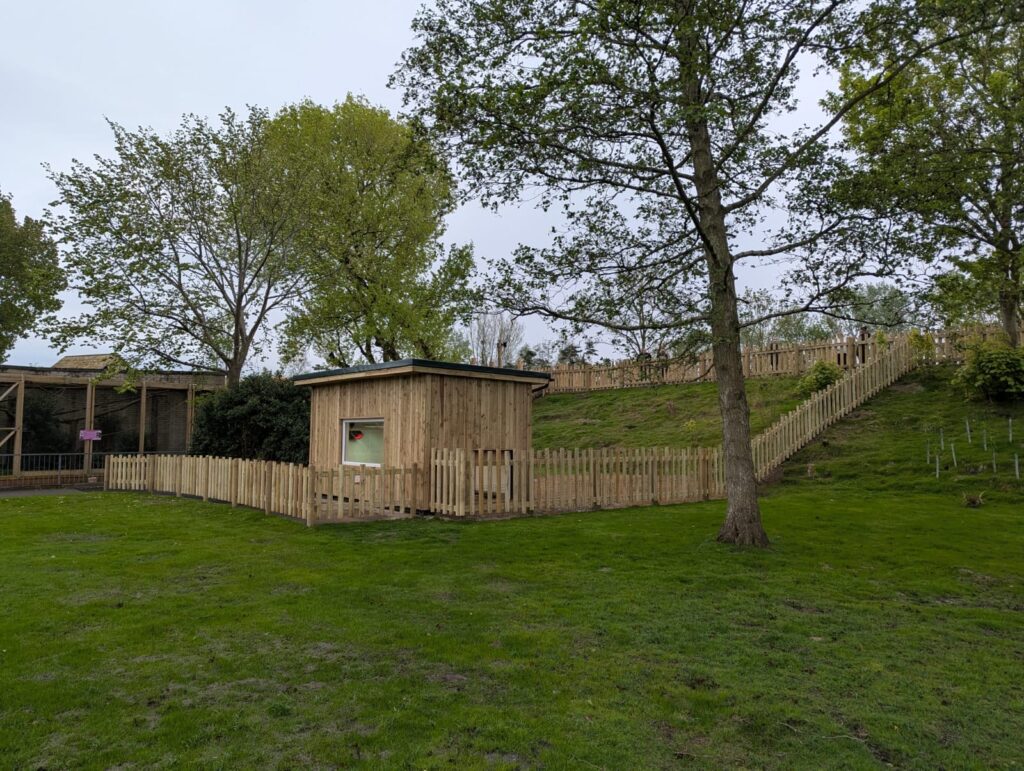
There is something fitting about where they have ended up. Their forever home is a converted shipping container, the kind of steel box built to haul cargo across the world. Except this one is going nowhere. Fitted with infrared lamps that recreate the heat of the African Sahel, a sealed wet-room floor and a glass viewing panel, it now sits on the zoo’s Kidepo Trail, next to the giraffes.
It is the fourth container Blackpool Zoo has commissioned from Universal Containers, a Greater Manchester firm, and the most technically demanding so far: a habitat engineered to last the tortoises’ 70 to 100 year lifespan.
| In short Blackpool Zoo has rehomed a group of rescued sulcata tortoises, several of them seized by UK customs from smugglers, in a converted 16ft shipping container on its Kidepo Trail. Built by Universal Containers, the habitat recreates the heat of the African Sahel with infrared heating, has a sealed wet-room floor and a glass viewing panel, and is engineered to last the animals’ 70 to 100 year lifespan. It is the zoo’s fourth container build, chosen because containers cost less than block construction, arrive in weeks, and need no planning permission. |
Project at a glance
| Client | Blackpool Zoo |
| Supplier | Universal Containers, Greater Manchester |
| Container size | 16ft converted shipping container |
| Species | Sulcata (African spurred) tortoise |
| Conservation status | Vulnerable (IUCN Red List) |
| Animals | Multiple females, currently 15 to 30kg each |
| Potential future size | Males can reach 80kg or more |
| Key features | Wet-room tanked floor, infrared heating, glass viewing panel, rear growth apertures |
| Location | Kidepo Trail, beside the giraffe enclosure |
| Build number | Fourth container for Blackpool Zoo |
| Planning permission | None required |
The Background
Most zoo enclosures start with an architect and a planning application. However, the idea didn’t start with an architect, it started with television. After watching Grand Designs feature the creative reuse of shipping containers, Blackpool Zoo’s project manager, Luke Forster, wondered whether the same logic could work in a zoo.
Management took some convincing. The main worry was aesthetic, they feared that the site would end up looking like a commercial shipping yard.
“It took an awful lot of persuasion to get our first container in place. The main concern was the zoo looking like a shipping yard. Once the first container was in, that was totally forgotten.”
Luke Forster, Project Manager, Blackpool Zoo
That first project, a kea enclosure built into an earth bank, would have been far more difficult and expensive to achieve using traditional construction. Once it was in, the scepticism disappeared, and three more containers followed. The most recent, and most technically complex, is a bespoke habitat for the zoo’s sulcata tortoises.
The Brief
Sulcata tortoises, also known as African spurred tortoises, are among the largest tortoise species in the world. Native to the semi-arid Sahel region of Africa, they need thermal conditions that bear no resemblance to a Lancashire summer. They are also listed as Vulnerable on the IUCN Red List.
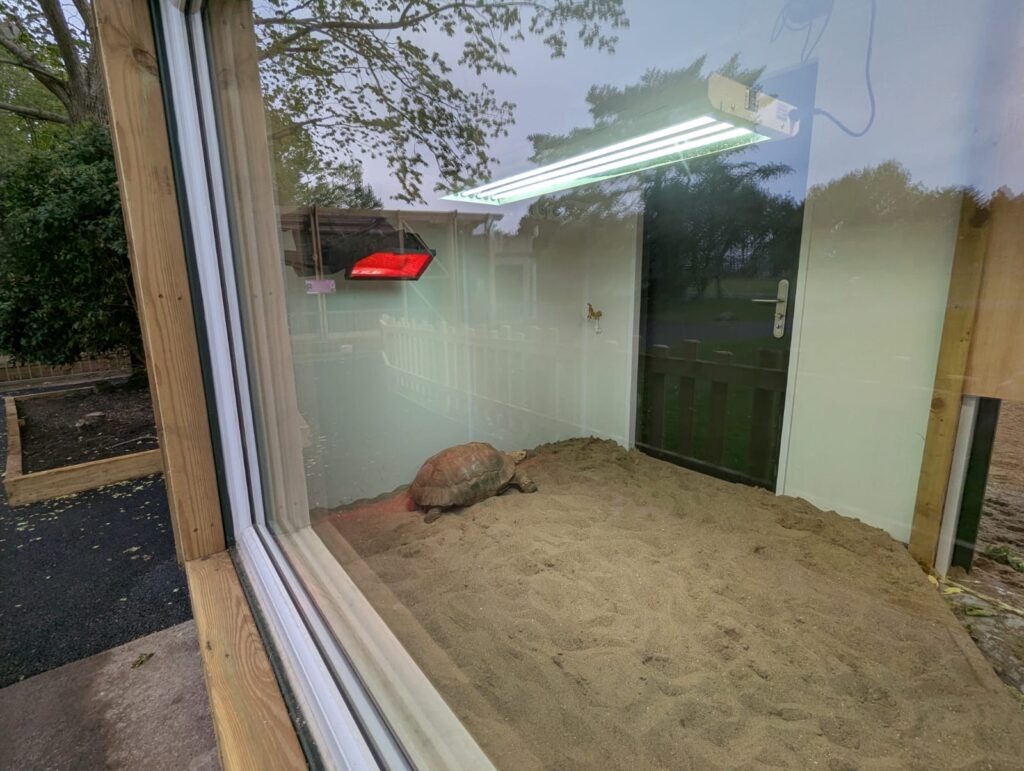
The zoo has been their permanent home for more than 20 years. For most of that time, they lived in a wooden enclosure near reception, off the main visitor trail and out of public view. The brief was to bring them into the heart of the visitor experience, give them the right environmental conditions, and build something that would last.
However, the tortoises at Blackpool have an unusual history. Some arrived after other zoos closed, while others were wild-caught animals seized by UK customs after being transported without the correct import paperwork.
There is a certain irony in where they have ended up. A structure designed to transport cargo across the world has instead become a permanent home for rescued tortoises, giving visitors the opportunity to learn more about the conservation challenges facing the species.
Sulcata tortoises can live for 70 to 100 years, so the enclosure needed to be practical, durable, and fit for purpose for decades to come.
The Engineering Challenge
Designing for humans is, in one sense, simple because their dimensions are known and their growth has stopped. Designing for sulcata tortoises introduced a complication the Universal Containers team had to solve from the outset.
All the current residents are female, and females are effectively full-grown at 15 to 30kg. Males are a different proposition, capable of reaching 80kg and more than doubling the size of the females. The zoo houses only females today, but the enclosure was built with the possibility of future males in mind.
“Whilst the females are currently full size and don’t need aputures as large as we had installed. This enclosure may hold males in future, and they can grow to 80kg and more than double the size of the females.”
Luke Forster, Project Manager, Blackpool Zoo
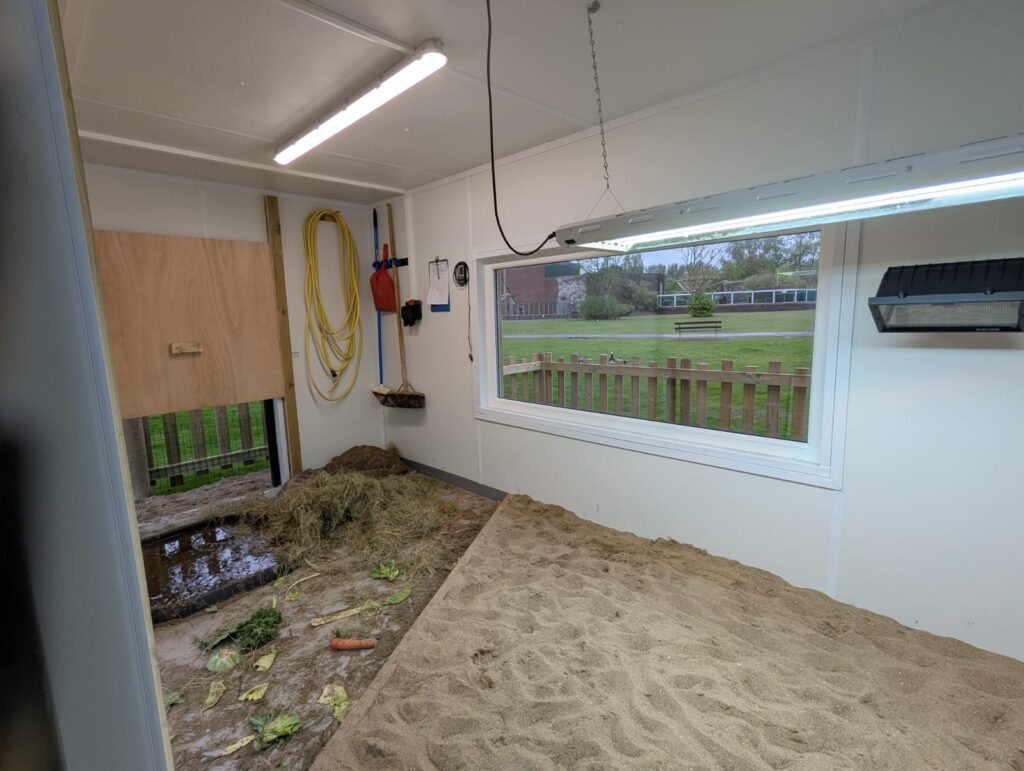
The rear growth apertures were sized not for the animals living there now, but for animals that may not arrive for years, or even decades. It is a piece of long-range planning rarely seen in commercial construction, and it suits the timescale of a species that can outlive the people who built its home.
Interior Specification
Recreating the conditions of the Sahel inside a steel container on the Lancashire coast took careful environmental design. The specification Universal Containers delivered includes:
- Wet-room tanked floor with drainage: waterproofing protects the container and keeps the enclosure hygienic, given the tortoises’ cleaning and moisture needs
- Sand bedding layer: an appropriate substrate for a semi-arid species
- Infrared heat lamps and heaters: replicating the long-wave radiation of direct sun, the same heat the tortoises bask under in the wild
- Glass viewing panel: a clear view for visitors without restricting the animals’ movement
- Rear growth apertures: oversized for the current residents, ready for substantially larger animals in future
The steel structure holds temperature more consistently than timber, whatever the weather outside, and the sealed floor is far easier to clean than a traditional enclosure.
“The container holds temperature very well, regardless of outside conditions, and it is easy to keep clean.”
Luke Forster, Project Manager, Blackpool Zoo
Why Containers Work for Zoos
Across four builds, Luke has refined a model that solves several problems at once.
“Container conversions let me create one design and send it to several companies at once. They all work over online quote systems, which speeds up putting a new project together.”
Luke Forster, Project Manager, Blackpool Zoo
The advantages compound. Because containers count as non-permanent structures, they fall outside standard planning permission, which removes a major source of delay. Conversions cost less than block-built equivalents and outlast timber by decades. From order to installation is measured in weeks, not months. In a sector where every month of delay has welfare implications, that speed matters.
Luke’s advice to other zoos considering the approach is clear:
“To go for it. Container builds are easy to do, and the lead time from order to delivery is really short.”
Luke Forster, on his advice to other zoos
The Outcome
The tortoises have moved in. Their habitat sits on the Kidepo Trail beside the giraffes, part of the main visitor experience for the first time.
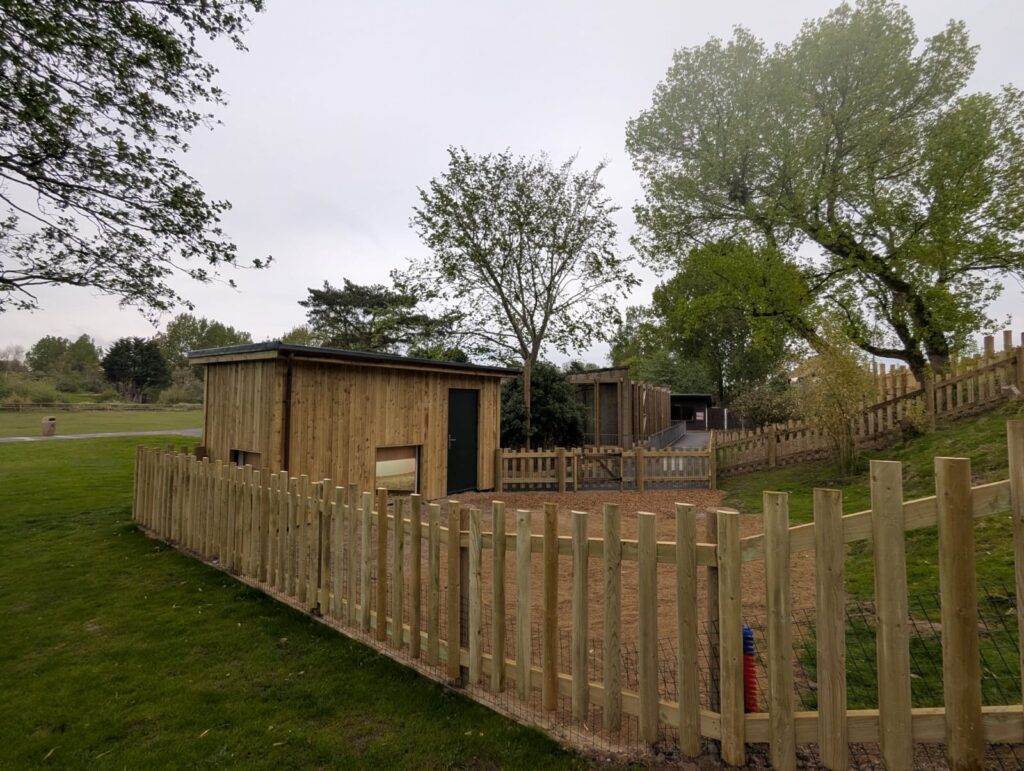
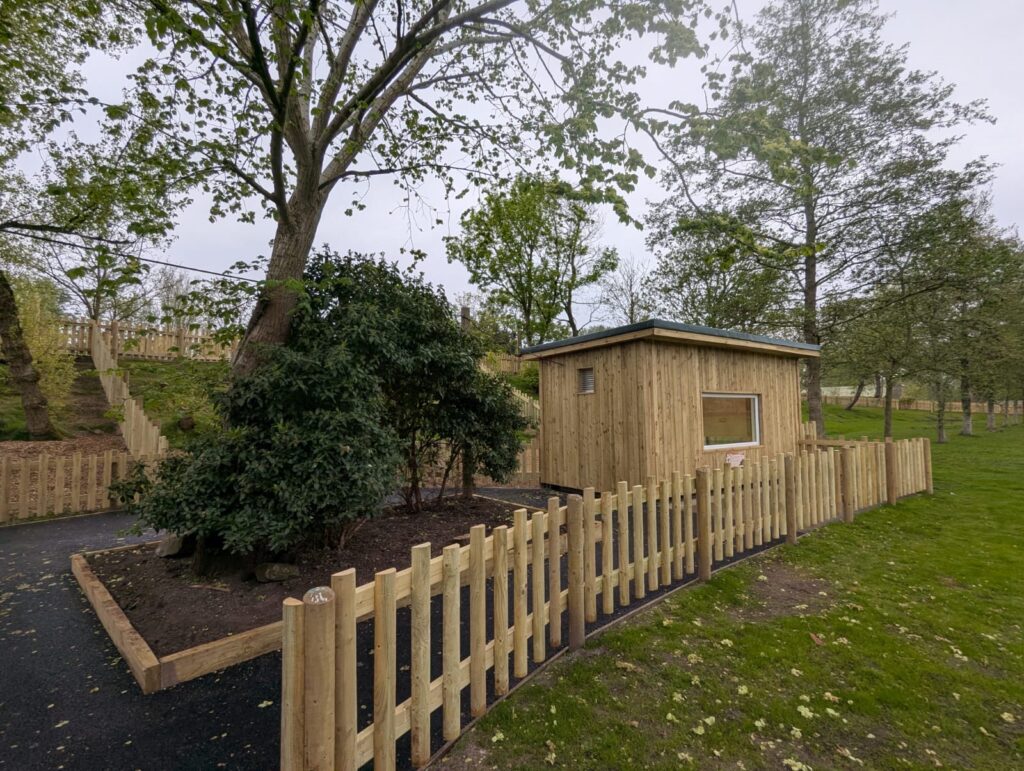
They arrived in time for a record year as Blackpool Zoo reported its highest-ever visitor numbers in 2025, beating its previous 2019 record by 6% in the zoo’s 53rd year.
The timing has a wider significance too. New Standards of Modern Zoo Practice came into force in Great Britain in May 2025, giving every licensed zoo until 24 May 2027 to bring its enclosures up to standard. For a sector facing that deadline, a model that delivers compliant enclosures in weeks, without planning permission and at lower cost, is likely to attract wider interest.
For Universal Containers, the project is a fourth enclosure for the same client and a deeper grasp of what animal habitats demand. Growth apertures, wet-room flooring, infrared systems and long-life thermal performance are a different discipline from a standard container conversion, and a capability few UK fabricators have developed.
| About Universal Containers Universal Containers is a Greater Manchester specialist in bespoke shipping container conversions, with four decades of experience across commercial, hospitality and infrastructure projects. Animal habitats are among its most demanding work: enclosures engineered for the welfare, environmental and longevity requirements of the species that live in them. Planning an enclosure, a commercial space or something stranger? Talk to our friendly team at Universal Containers about a bespoke container conversion. |