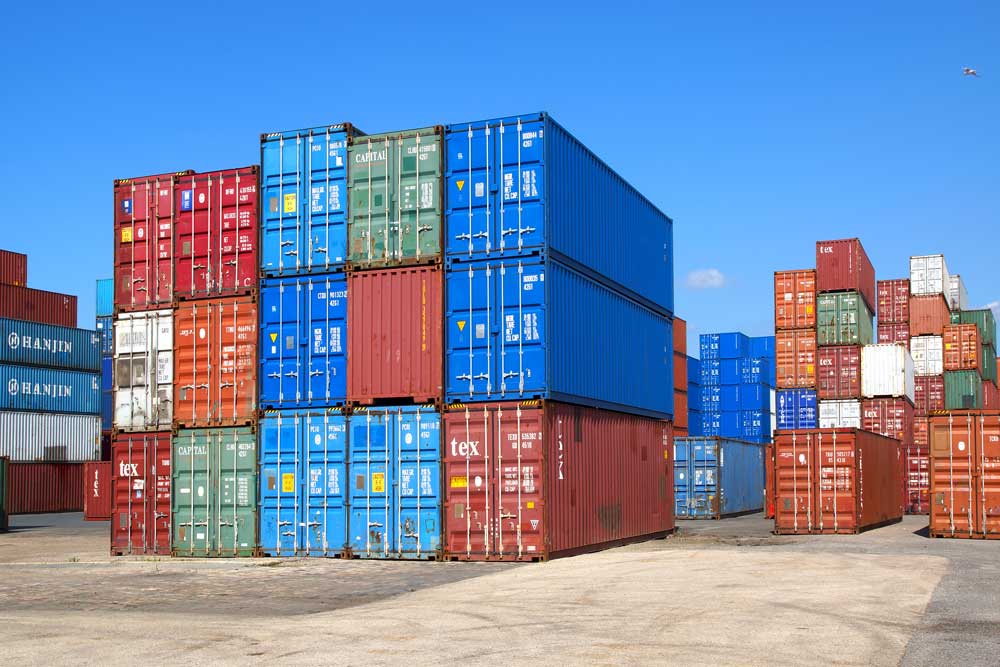

Container Lashing Equipment
Secure your cargo with confidence using our extensive range of shipping container lashing equipment. All our lashing products are designed to keep your goods, equipment, and machinery firmly in place during transit.
Upgrade & Customise
Make your container work better for your needs.
Repair & Maintain
Keep your container in good working condition.
40+ Years Experience
Helping you find the right parts for your container.
Nationwide Delivery
Parts and accessories delivered directly to your door.
All Parts & Accessories
Security
Doors & Windows
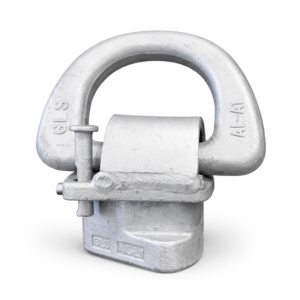
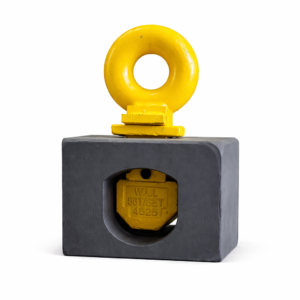
Shipping Container Lifting Lug for Top Lifting – DA-D1
Nothing matches those filters. Try a different combination.
Secure your cargo with reliable container lashing systems
Our container lashing equipment is designed to keep your cargo firmly in place during storage, transport, and handling. From heavy-duty weld-on rings to twist locks, stacking cones, and lifting lugs, each product gives you dependable anchoring and secure load restraint inside or outside your container. Built for strength, ease of use, and long-term reliability, they make securing goods simple and stress-free.
Types of container lashing solutions
We offer a variety of lashing solutions to suit different handling tasks, from creating strong anchor points to aligning stacked containers or lifting units with cranes.
D-rings / lashing rings
We supply both weld-on and bolt-on D-rings to suit different securing setups. Weld-on rings provide heavy-duty, permanent anchor points for high-load applications, while bolt-on options offer fast installation and flexible positioning for general cargo and lighter equipment.
Twist locks & stacking equipment
Choose from a range of twist locks, stacking pins, and securing components designed to keep containers firmly aligned and locked in place. They provide quick, dependable stability for lifting, stacking, and side-by-side setups in demanding yard and site conditions.
Container lifting lugs
Container lifting lugs create secure attachment points for lifting containers vertically with cranes or heavy machinery. Designed for strength and stability, they ensure safe, reliable handling during transport, repositioning, or installation.
Why choose shipping container lashing equipment from Universal Containers
We understand the importance of securing your cargo safely and quickly. That’s why our container lashing solutions focus on ease of installation and adaptability, giving you the flexibility to handle various load types and container sizes without hassle.

Durable construction

Cost-effective solutions

Easy to use

Safety-first design
Need help choosing the right lashing system for your specific container or cargo? Our experienced team is always ready to assist. Contact us today for expert advice, or request a personalised quote based on your requirements. We’re here to ensure your lashing needs are met with the best solutions.
Frequently Asked Questions
What lashing equipment do I need for my container?
This depends on your load and setup. For securing goods inside a container, D-rings are ideal, while twist locks, stacking cones, and corner locks are used for stacking or linking containers.
Are lashing points compatible with all containers?
Weld-on and bolt-on D-rings can be added to most container types. Twist locks, stacking cones, and corner locks are designed specifically for standard ISO corner castings.
What’s the difference between twist locks, stacking cones, and D-rings?
Twist locks and stacking cones secure containers to each other for stacking or linking. D-rings create tie-down points for securing cargo inside or outside a container. Each serves a different purpose, so choose based on whether you’re securing goods or the container itself.
What’s the difference between manual and semi-automatic twist locks?
Manual twist locks need to be locked and unlocked by hand, while semi-automatic versions engage automatically when the container is lowered into position. Semi-automatic locks help speed up handling and reduce manual work on busy sites.
Are welded-on D-rings stronger than bolt-on?
Yes. Weld-on D-rings provide a permanent, heavy-duty anchor point with a much higher load rating. Bolt-on rings are still strong but are better suited for lighter loads or situations where you need flexibility in positioning.
How many lashing points do I need?
This depends on your cargo weight and how it’s distributed. As a general rule, heavier or unbalanced loads need more securing points to prevent movement. If in doubt, adding extra anchor points provides safer restraint. If you want a clearer understanding of how lashing works, read more in our container lashing guide.
Popular shipping container parts & accessories


Don’t just take our word for it
Find out why our customers love us and our products

Check out our latest shipping container news
Get inspired with smart solutions, creative ideas, and expert advice to help you get the most out of your container.

13 Facts About Shipping Containers
While many are familiar with the basic functions of shipping containers, there are some facts about shipping containers that might still surprise you.
How Much Are Shipping Containers? Shipping Container Costs Explained
Shipping container costs can be confusing to understand due to all the different container sizes, conversion costs, and the cost for any specialised containers you might need. There are also a whole bunch of factors that impact the price of a given shipping container, such as size, age, and condition, among others.